StackWave is pleased to announce the release of Affinity 19, providing support for any protein therapeutic format your team can imagine across every module in Affinity. Design different formats, register and validate their sequences, or generate panels of therapeutic candidates by combining different pieces together from your bioregistry. Screen, clone, express, aliquot, analyze, and assay your most complex formats, all in one integrated solution.
Sequence Designs
Our latest version provides scientists the ability to design protein sequences by specifying the different components of the sequence that will be present from the N-terminus to the C-terminus. With the definitions of each sequence in hand, Affinity will validate that all of the specified parts are present in submitted sequences. If unidentified variable domains are present, scientists can select a method of analysis to identify them, and they will be registered alongside the submitted sequences.
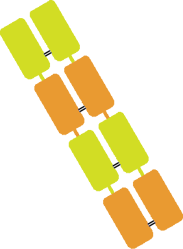

Biomolecule Formats
From Ig-like bispecific formats that combine multiple binding regions on symmetric or asymmetric constant regions to the antibody-based BiTEs, TriKEs, and DARTS, the landscape for immunotherapeutics has developed substantially over the past decades. Affinity 19 adds support for these and other formats by allowing scientists to combine their sequence designs together to form existing or completely novel protein formats. Affinity can provide the same support for these formats as for any of its built-in formats, including cloning and protein expression, assay data collection and analytics, inventory and in-vivo studies, and bioconjugation.

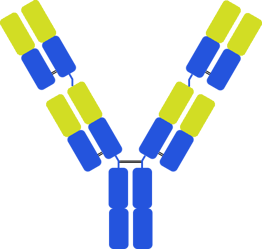
Automated Panel Generation
With your sequence designs combined together into therapeutic formats, Affinity can automatically generate panels of unique biomolecules on your behalf. Select the pieces from the sequence parts catalog for each part of your sequence designs, and Affinity will generate all possible sequences from the selected parts, then all possible combinations of sequences for the selected format. Panels can then be screened, expressed, assayed, and analyzed as normal.
If you'd like to see these new capabilities in action, please request a demo.